
Household Budget · CPI
India's CPI Inflation in 2024: Which Basket Items Are Hurting Most?
A granular read of the Consumer Price Index sub-groups shows vegetables and edible oils outpacing fuel as the main driver of food inflation this year.
The headline CPI number doesn't tell the whole story
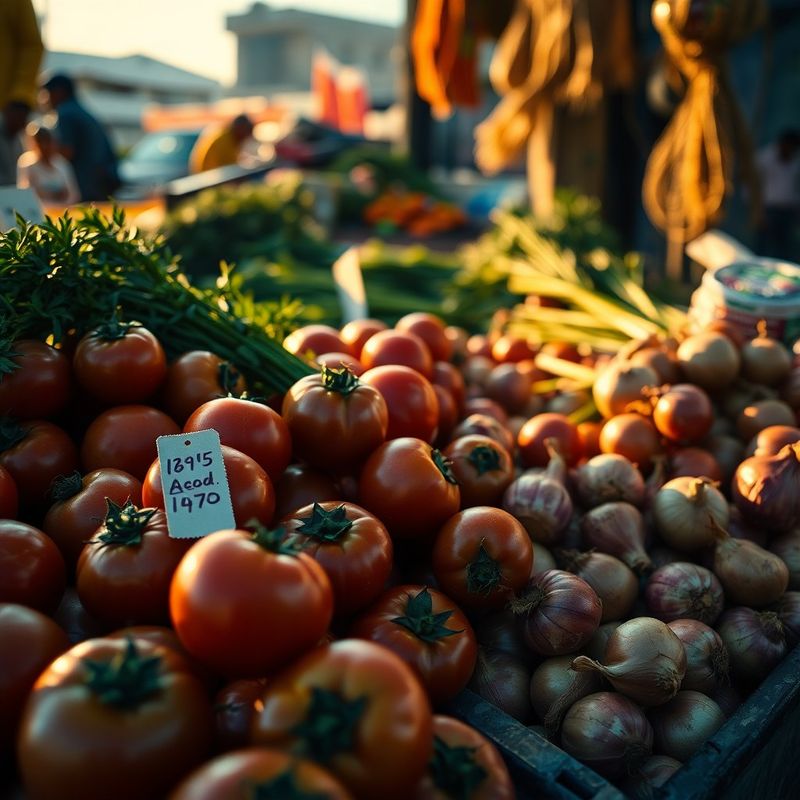
When MOSPI releases the monthly Consumer Price Index, most coverage fixates on the combined food and beverages sub-index — or, worse, on the headline combined index — and declares inflation either “rising” or “falling.” That framing misses the lived experience of the typical Indian household, where individual commodity prices can move in opposite directions within the same month. In August 2024, for instance, the headline CPI for rural India read 5.9%, but within that figure, the vegetable sub-group posted a 23.4% year-on-year increase while the pulses sub-group rose 14.1%. Cereals, by contrast, moderated to 8.3%. The distinction matters because a family spending 40% of its food budget on vegetables faces a very different affordability crunch than a household whose main calorie source is rice or wheat. Our analysis of twelve consecutive monthly CPI releases — from September 2023 through August 2024 — shows that the tomato-onion-potato complex alone accounts for a disproportionate share of the total food CPI variance over this period, a structural volatility that seasonal supply shocks amplify year after year. Edible oils, meanwhile, remain elevated relative to pre-2022 levels despite some softening in global palm oil prices, because domestic refining costs and import duties have not fully adjusted. This piece maps each major basket sub-group against its weight in the combined index, then calculates the contribution of each to the overall food CPI reading. The emerald-fresh data chart accompanying this article plots twelve months of sub-group indices on a single axis so the divergence is immediately visible without arithmetic. The goal is not to alarm — it is to give you the tools to read the next monthly release yourself and see, in seconds, which basket items are actually driving the number your government and central bank are watching.
What this means for policy and household spending
The practical implication of sub-group divergence is that monetary policy — the RBI's main lever for managing inflation — is a blunt instrument when price pressures are concentrated in perishable vegetables. Raising the repo rate does not plant tomatoes. Supply-side interventions — better cold-chain infrastructure, MSP buffer stocks, and faster port clearance for vegetable oil imports — would address the specific sub-groups driving the CPI overshoot more directly than interest rate action. For households, the data suggests a bifurcation: those with higher incomes can substitute edible oil brands or cut discretionary spending to absorb the shock; lower-income households with less budget flexibility face real caloric trade-offs. Ekopregledv will continue tracking sub-group CPI data monthly and updating our charts with each new MOSPI release so you can follow the trend without waiting for a journalist to notice it.